Urban centers across the globe are facing an acute transportation crisis. Metropolises are plagued by continuous traffic congestion, deteriorating air quality, and over-burdened public transit systems. For the modern city resident, driving a two-ton, gasoline-powered automobile to complete a short, three-mile daily commute is an exhausting and economically inefficient choice. To solve this urban friction, consumers are turning en masse to electric micro-mobility solutions, specifically next-generation e-bikes.
### The Engineering Leap: Mid-Drive Motors and Torque Sensors
Early electric bicycles were heavily criticized for being clunky, unnaturally heavy, and awkward to ride. They frequently utilized basic hub motors located within the rear wheel that delivered sudden, jarring bursts of power based on a rudimentary cadence sensor that merely tracked whether the pedals were spinning.
Modern e-bikes feature highly advanced mid-drive motor configurations positioned at the bike’s bottom bracket. These motors integrate sophisticated torque sensors that continuously measure the exact physical force the rider applies to the pedals. The internal motor controller interprets this data instantaneously, delivering incredibly smooth, seamless electrical assistance that feels like an organic extension of the rider’s personal physical strength.
### Hidden Energy: Seamless Frame Integration
Another massive leap forward in tech products is the development of ultra-high-density lithium-ion battery cells that fit entirely within the structural down-tube of the bicycle frame. This elegant engineering completely eliminates the unsightly, heavy external battery packs of the past.
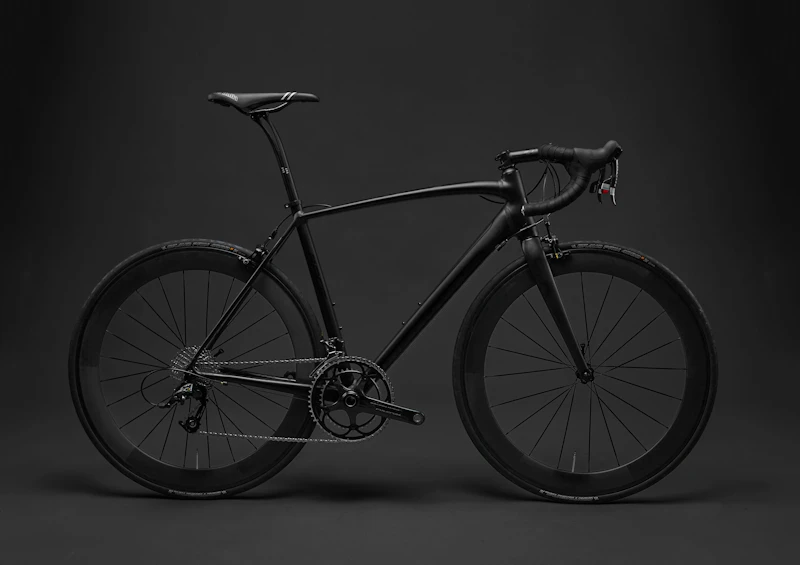
Modern e-bikes look virtually identical to premium traditional bicycles, yet they pack enough energy capacity to deliver up to 80 kilometers of assisted riding on a single charge. Many premium models also feature integrated GPS tracking hardware, automated anti-theft locking systems, and smart wireless connectivity that syncs route navigation directly onto an integrated handlebar display.
### Transforming Urban Infrastructure and Culture
As major cities invest billions of dollars to construct dedicated, protected micro-mobility lanes, the e-bike is transitioning from a recreational lifestyle product into a vital commuter tool. By allowing riders to traverse cities rapidly without breaking a sweat or worrying about parking availability, electric bicycles are re-engineering the very definition of urban transit.
Leave a Reply