The concept of the smart home has graduated from science fiction novelty to an essential framework of modern residential architecture. A few years ago, having a smart home simply meant screwing in a few Wi-Fi-enabled lightbulbs or asking a voice assistant to play a song. In 2026, the industry has undergone a radical paradigm shift. Today’s smart homes are unified, intelligent ecosystems driven by predictive automation and edge computing.
### The Shift to Predictive Automation
Traditional smart devices required constant human input—whether through mobile applications, complex scheduling, or spoken commands. The modern smart home, however, acts ambiently. By utilizing localized machine learning models and data streams from subtle environmental sensors, the house adapts to your habits without requiring explicit instruction.
For instance, adaptive climate control systems no longer just stick to a rigid timer. Instead, they analyze historical occupancy metrics, current localized weather forecasts, and real-time energy grid pricing to dynamically optimize interior temperatures. By the time you wake up, the home has already adjusted the climate, pre-heated the bathroom floors, and initiated your morning routine based on your sleep quality data from your wearable device.
### Prioritizing Localized Data Privacy
One of the biggest hurdles to widespread smart home adoption was the consumer fear of continuous cloud surveillance and data breaches. To resolve this, premium brands are transitioning toward localized processing hubs. Rather than routing sensitive voice recordings or video telemetry from security cameras to distant corporate servers, data is processed locally on encrypted home servers.
This shift not only guarantees absolute data privacy for the homeowner but also dramatically slashes latency. Commands and automation routines execute instantaneously, even if the primary home internet connection experiences a temporary outage. Security and convenience are finally working in perfect harmony.
### Designing the Invisible Tech Aesthetic
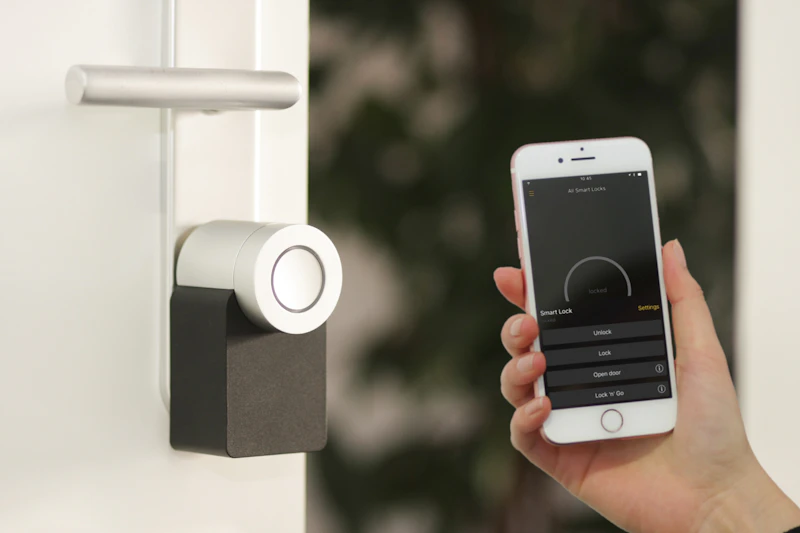
As technology becomes deeply integrated into our domestic spaces, consumers are demanding an aesthetic evolution. Industrial designers are moving away from flashy, metallic gadgets with glowing blue LEDs. The new wave of smart home hardware embraces natural textures, matte finishes, and minimalist designs that blend seamlessly into premium interior decor.
Smart displays are disguised as framed artwork when not in use, and acoustic speakers are woven directly into structural wall panels. The ultimate goal of modern product design is to make the technology invisible while keeping its utility omnipresent. Brands that master this balance are capturing the premium consumer market.
Leave a Reply